








The Sports America | Sports in the United States

Sunday, November 8, 2026
shatterproof window film

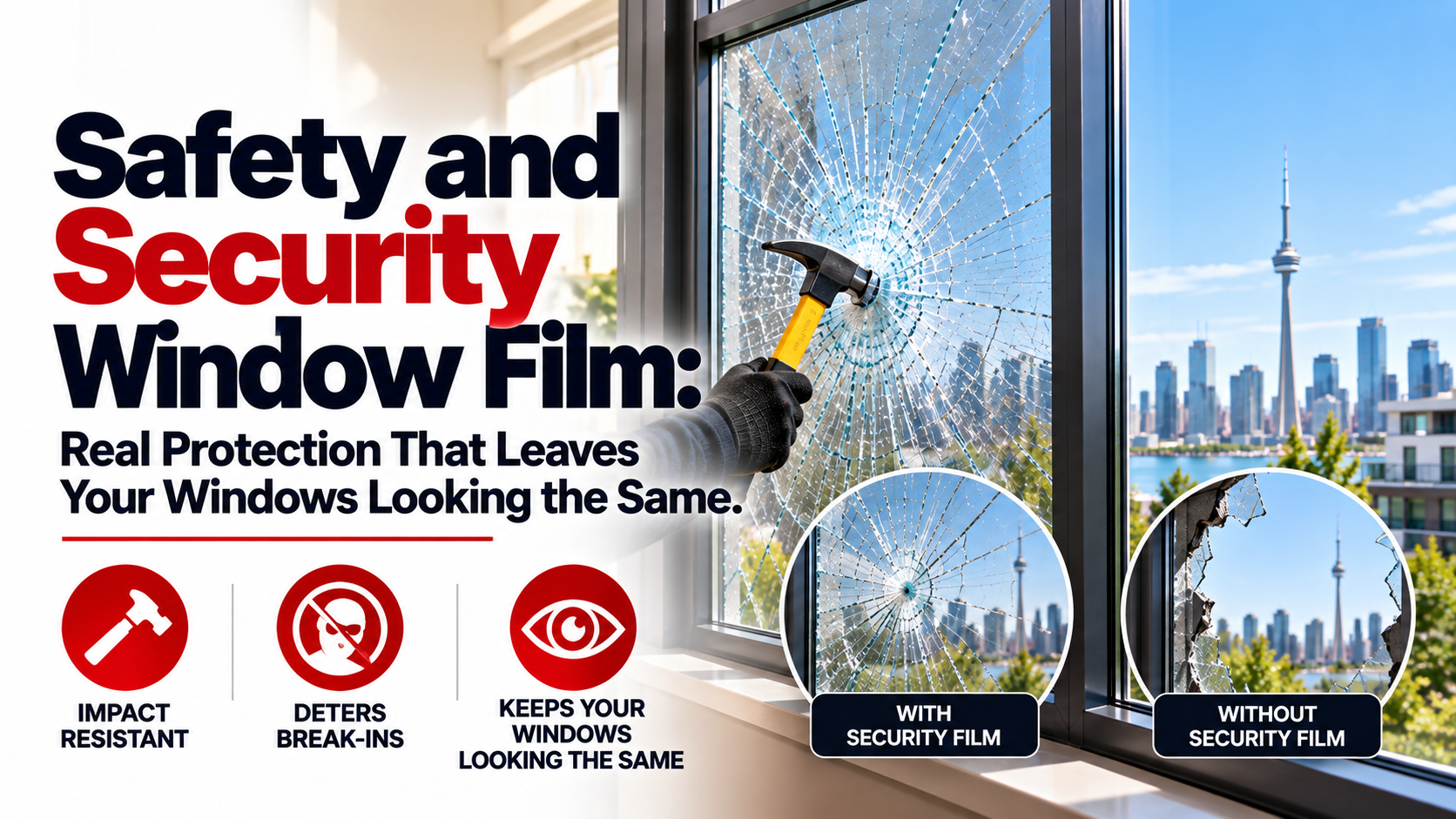
Shatterproof Window Film: The Overlooked Upgrade That Makes Existing Windows Far Harder to Break Through

Most people secure a property from the outside in. Better locks. A reinforced front door. A camera over the driveway. A sign on the lawn. Then they stop, because the list feels finished. It usually isn’t. The largest unprotected surface on almost any building is still the glass. A single pane of ordinary window glass is the one part of the envelope that can be defeated in seconds with something already lying in the backyard. Shatterproof window film sold as security film or safety and security film closes that gap without touching the frames, the view, or the budget for a full replacement. Here is how it actually works, what it realistically does, and where it belongs on a property. What Is Shatterproof Window Film? Shatterproof window film is a clear, multi-layer polyester film bonded to the interior face of existing glass with a high-strength adhesive. It is considerably thicker and tougher than the decorative or tinting films most people picture, and security window film is normally specified by thickness and intended use rather than sold as a single product. The name is slightly misleading, and it is worth being honest about that up front: the film does not make glass unbreakable. What it changes is how glass behaves when it breaks. Instead of a pane exploding into loose shards and leaving a clean opening, the glass cracks and stays bonded to the film, held in the frame as a single flexible sheet. That difference sounds small. During a break-in attempt, it is the difference between two seconds and two minutes. Why Is Glass the Weakest Link in Almost Every Building? Consider how a house is actually built. The door has a deadbolt, a strike plate, hinges and a frame anchored into the structure. The window has a pane of glass held in place by a bead of sealant. Everything else on the perimeter is engineered to resist force. The glass is engineered to let in light. This is why most forced entries are not sophisticated. There is no lock picking and no alarm bypass. There is a rock, a patio chair or a garden tool, one strike, and a hand reaching through to the latch on the inside. The lock was never the target — the glass beside it was. A ground-floor window or a sliding patio door offers a large, low, quiet and unmonitored target. If that glass is untreated, the rest of the security stack can be bypassed without ever being tested. How Does Security Film Actually Stop an Opening From Forming? Three things work at once when film is installed properly. 1. The bonding layer The adhesive grips every point of the glass surface. When the pane fractures, each fragment is still stuck to the film. The window becomes spiderwebbed but intact, and there is no hole to reach through. 2. Tensile strength The film itself resists tearing. Someone who has broken the glass now has to cut or punch through a tough polyester membrane rather than simply stepping through an empty frame. 3. Time and noise Both of the above force repeated, loud, sustained effort in full view of neighbours and cameras. Opportunistic entry depends entirely on speed and quiet. Film removes both. The result is not an impenetrable barrier. It is a delay, and delay is the most valuable commodity in residential security, because it is what gives an alarm, a camera, a neighbour or the occupant’s own reaction time a chance to matter. What Film Does and Doesn’t Do Any installer promising bulletproof glass is selling something else. The accurate version: Understood that way, film is one of the highest-value upgrades per dollar on a property, precisely because it protects the surface everything else ignores. Why Is Film an Unexpected Alternative to Replacing the Windows? If the windows are already in good condition, replacing them for security reasons alone is an expensive answer to a narrow problem. You would be paying for frames, sashes, seals, installation and disposal in order to upgrade one property of one component: how the glass fails. Film targets that property directly. The existing windows stay in place. The frames, hardware, sightlines and energy performance stay exactly as they are. The work is done from the inside, usually in a single visit, with no construction, no dust and no exterior change to the building. For most owners, that is the difference between a project postponed for three years and a project completed this month. Will It Change How the Windows Look? This is the objection that stops people from considering glass security at all, and it is the reason film keeps winning the comparison. Security film is optically clear. Once cured, the glass keeps its natural light, its view and the appearance of ordinary glazing. From the street nothing signals that the window has been treated. There are no bars, no grilles, no visible hardware and nothing that makes a home look fortified or advertises that there is something inside worth protecting. For heritage properties, condos with facade restrictions, storefronts that depend on display visibility, and anyone who simply does not want a defensive-looking house, that is often the deciding factor. Which Glass Should Be Protected First? Filming every window in a building is rarely necessary. Protection should follow exposure. Priority order: ● Sliding and patio doors The highest-value target on most homes. Enormous glass area, ground level, usually facing a private backyard where someone can work unseen. If only one thing gets filmed, this is it. ● Ground-floor windows out of public view Side-yard windows, glass behind fences or hedges, and anything facing a laneway. Reachability plus concealment is the combination that matters, not size. ● Basement windows Low, small, out of sight from inside the house and rarely checked. Their obscurity is exactly what makes them attractive. ● Glass beside and within entry doors Sidelights and door glass panels are the classic reach-through. Breaking a small pane to turn a thumb-turn deadbolt defeats an expensive lock…

Read More
Highrise Window Safety Toronto

How Can Highrise Window Safety Toronto Help You Protect Your Building and Its Residents?

Your windows do far more than frame the skyline. Highrise Window Safety Toronto gives you a way to strengthen the glass you already have, without replacing a single pane or changing how your building looks. High above the street, a window is a working part of the building envelope, and it takes impacts, weather and daily wear that ground-level glass never sees. Why Does Tower Glass Deserve Closer Attention? Height changes the stakes. When a pane cracks at ground level, you sweep up and book a repair. When it happens twelve storeys up, you are dealing with an opening, loose fragments and a sidewalk or balcony below. Large panes also carry more glass. The bigger the panel, the more material there is to come apart on impact, and the longer the unit sits exposed while you wait for replacement glass. You can deal with that before it happens by adding a protective layer to the glass that matters most. What Does Security Film Actually Do on Impact? Security film is a tough, transparent layer applied directly onto your existing glass. It bonds to the pane so the two behave as one surface instead of separately. When something strikes a treated window, the film holds the broken pieces together instead of letting them scatter. The glass can still fail, but it tends to stay in the frame, attached to the film. That resistance also buys you time. Plain glass gives way in seconds, while filmed glass takes far more effort to get through, which slows down anyone trying to force entry at a patio door or balcony slider. How Does That Protect Your Residents? A building is the people inside it. Broken glass in a suite, a corridor or a lobby turns an ordinary afternoon into an injury risk, especially where children and pets are around. Film keeps most of that material in place. You get less loose glass to clear, a smaller opening to secure and more time to reach the unit and handle the repair properly. If you manage a tower in North York or along the downtown waterfront, that also means fewer emergency callouts and a calmer response when something does go wrong. Which Glass Around Your Building Needs Attention First? Not every window carries the same level of risk. A walk of the property usually tells you where to start. ● Large Glass Panels Floor-to-ceiling panels hold the most glass and sit in the rooms people use every day. They are the panels you want holding together after a hit. ● Balcony and Sliding Doors Sliding doors pair wide glass with a door people open constantly. They also sit at the most reachable point of many suites, which is why they earn early attention in buildings across Scarborough and Etobicoke. ● Lobbies, Corridors and Amenity Rooms Shared glass sees the heaviest foot traffic in the building. Treating it protects residents you will never meet as well as the ones who report the problem. ● Ground-Floor and Podium Glass The lowest levels are the easiest to reach from the street, and glass doors and windows remain the most common entry points on any property. Retail bays, mailrooms and ground-level units are worth handling first. Can You Protect the Glass Without Changing How Your Building Looks? You do not have to trade appearance for protection. Clear film sits almost invisibly on the pane. Your daylight, your views and the clean lines of the facade stay as they are. No bars, no visible hardware, nothing that tells a resident their window has changed. That matters when large glass is the entire appeal of the building. You keep the look that sells the units and gain a protective layer behind it. Why Does the Installation Matter as Much as the Film? Film performs only when it is applied properly. The bond to the glass, the fit at the edges and a clean, bubble-free finish all decide how a panel behaves under impact. A professional installation also starts with an assessment. Someone walks your property, looks at the size, location and accessibility of each panel, and tells you where film adds real value instead of treating every window the same way. How Does Window Film Fit With the Rest of Your Security? Film is one layer, not the whole plan. Depending on your property, you might pair it with door reinforcement at suite and service entries, basement window bars, accordion gates for patio doors, or security roller shutters on lower units. A home shield audit gives you the full picture before you spend anything. The aim is to cover the weak points your property actually has, rather than leaning on one upgrade and hoping it carries the rest. Fort Knox Solutions installs premium security and safety window film across Toronto and the GTA, from Etobicoke and Scarborough through to Richmond Hill, Markham and Mississauga, with the kind of clean application that keeps large glass looking untouched. Book a free consultation and one visit tells you which panels in your building deserve film and which do not. Do that, and a broken window in your tower stays a repair job instead of becoming an emergency for everyone below it. Frequently Asked Questions 1. Does security film make high-rise glass unbreakable? No. It holds broken glass together after an impact and makes the pane much harder to get through, but the glass itself can still break. 2. Will the film change your view or your natural light? Clear security film stays visually subtle, so you keep the view and the daylight you paid for. 3. Can you apply film to balcony and sliding doors? Yes. Sliding and patio doors are among the most common applications, though the right product depends on your specific glass. 4. Does film replace a window repair? No. Damaged glass still needs proper repair or replacement. Film is an added layer of protection, not a substitute for fixing the pane. 5. How do you know which windows to treat first? An on-site assessment looks at the size, location and accessibility…

Read More

The Impact of Bishop Dwight Reed on Local Communities

Bishop Dwight Reed is a man whose leadership, compassion, and faith have made a lasting difference in countless lives. As the Senior Pastor of Christ Apostolic Temple, Inc. in Des Moines, Iowa, he has dedicated himself to both spiritual growth and community transformation. His vision for service extends far beyond the pulpit, impacting individuals, families, and neighborhoods through innovative outreach programs and unwavering dedication. Early Life of Bishop Dwight Reed Born in Okmulgee, Oklahoma, on August 15, 1958, Bishop Dwight Reed was the youngest of four children born to his parents, Bishop Jeremiah and Willie Mae Reed. In 1959, the Reed family relocated to Des Moines, Iowa. This move would be the beginning of a journey that combined deep faith, leadership, and a commitment to helping others. Dwight attended Wallace Elementary School, Amos Hiatt Middle School, and later Des Moines Technical High School, where he actively participated in the ROTC program. These formative years instilled in him discipline, a strong sense of service, and an ability to lead—qualities that would later become essential in his ministry. Educational Journey and Spiritual Development Bishop Dwight Reed’s commitment to personal growth led him to Southeastern Community College, where he built a strong educational foundation. His passion for ministry and deep understanding of scripture inspired him to pursue advanced theological studies, culminating in a Master of Theology from JCAA, a fully accredited Christian college. This academic achievement provided him with both theological expertise and the skills to teach, mentor, and inspire others. His knowledge and compassion would soon become the foundation for his impactful leadership in the church and the community. Pastoral Leadership and Transition at Christ Apostolic Temple Before leading Christ Apostolic Temple, Bishop Dwight Reed pastored two churches in Louisiana. These experiences prepared him for the significant responsibility he would later inherit. In December 2017, Bishop Reed succeeded his father, Bishop Jeremiah Reed, as Senior Pastor of Christ Apostolic Temple, Inc. in Des Moines. This transition marked the continuation of a rich legacy while also opening the door for new ideas and programs to better serve the community. Over the past seven years, Bishop Reed has led the largest predominantly African American church in Iowa with passion, vision, and commitment. His leadership style blends traditional Biblical teaching with forward-thinking community engagement, ensuring the church remains a pillar of strength and hope. Bishop Dwight Reed’s Community Outreach Through CATCOS During his seven-year tenure, Bishop Dwight Reed has started and cultivated many community outreach programs to assist people across Des Moines and beyond. His initiatives, organized under the Christ Apostolic Temple Community Outreach Services (CATCOS), address both spiritual and practical needs. Through CATCOS, Bishop Reed has expanded the church’s reach with programs that provide food, clothing, mentorship, educational support, and other vital resources to the community. By partnering with local organizations and mobilizing volunteers, CATCOS has become a model of effective, faith-driven community service. Some of the impactful programs under CATCOS include: By building these initiatives, Bishop Reed has strengthened community ties, instilled hope, and addressed pressing needs with compassion and efficiency. Faith and Unity as Cornerstones of Leadership Bishop Dwight Reed’s ministry is rooted in the belief that faith must inspire action. His sermons often highlight themes of unity, compassion, and personal responsibility, encouraging members to actively participate in building stronger, more connected communities. Whether delivering a message from the pulpit or engaging with people at outreach events, Bishop Reed leads by example. His ability to bring diverse groups together under a shared mission of service has made him a unifying figure in the region. Achievements and Recognition Throughout his career, Bishop Dwight Reed has been recognized for his unwavering dedication to both ministry and service. Leading the largest African American church in Iowa is no small accomplishment, but he has gone beyond traditional pastoral duties to address social issues, provide resources, and give a voice to those in need. His work has inspired not only his congregation but also community leaders, civic organizations, and faith groups across the state. Bishop Dwight Reed’s Vision for the Future Looking forward, Bishop Reed is committed to expanding CATCOS and developing new programs that address emerging challenges in the community. His goals include increasing access to educational resources, enhancing health services, and creating more opportunities for young people to thrive. He envisions a future where the church continues to be a central hub for spiritual guidance and social support—helping individuals grow in faith while also meeting their real-world needs. A Personal Commitment to Service Beyond his public role, Bishop Dwight Reed is deeply committed to his family, friends, and personal walk with God. His humility, compassion, and unwavering moral compass serve as guiding lights for those who know him personally. These values, instilled from childhood by his parents, remain at the heart of his leadership style. An Enduring Legacy Bishop Dwight Reed has shaped local communities through a lifetime of faith, service, and leadership. From his early days in Oklahoma and Iowa to his leadership at Christ Apostolic Temple, he has remained steadfast in his mission to uplift others. Through CATCOS and his broader ministry, Bishop Reed has demonstrated that strong communities are built through a combination of spiritual guidance, practical assistance, and genuine compassion. His story is one of vision, perseverance, and the belief that faith can inspire transformative change.

Read More

Bishop Dwight Reed’s Vision for Building a Stronger Community

Bishop Dwight Reed is a beacon of faith, leadership, and dedication whose life story reflects the power of service, perseverance, and vision. As the Senior Pastor of Christ Apostolic Temple, Inc. in Des Moines, Iowa, Bishop Reed has committed his life to uplifting people both spiritually and socially. His influence extends far beyond the church walls, touching the lives of countless individuals and inspiring unity, faith, and progress in the community. Early Life and Faith Foundation of Bishop Dwight Reed Born in Okmulgee, Oklahoma, on August 15, 1958, Bishop Dwight Reed was the youngest of four children. He was born to his parents, Bishop Jeremiah and Willie Mae Reed. In 1959, the Reed family relocated to Des Moines, Iowa. It was there that Dwight’s journey of faith and leadership began to take root. Growing up in Des Moines, Dwight attended Wallace Elementary School, Amos Hiatt Middle School, and later Des Moines Technical High School. During this time, he became an active member of the ROTC program. His early involvement in leadership activities revealed a natural ability to inspire and organize those around him. This skill would later become a cornerstone of his ministry. Educational Journey and Theological Training Bishop Dwight Reed’s commitment to spiritual and academic growth led him to Southeastern Community College. There, he strengthened his educational foundation. His passion for ministry and deep understanding of scripture led him to earn a Master of Theology from JCAA, a fully accredited Christian college. This achievement gave him theological expertise. It also equipped him with the tools to teach, guide, and inspire others in their walk with God. Pastoral Leadership and Ministry Growth Bishop Dwight Reed’s pastoral journey began with leading two churches in Louisiana. These experiences deepened his understanding of the challenges and opportunities that come with shepherding a congregation. His ability to connect with people from all walks of life and his unwavering commitment to Biblical truth earned him respect and trust among his congregants. In December 2017, Bishop Reed took over Christ Apostolic Temple, Inc. in Des Moines, Iowa, from his father, Bishop Jeremiah Reed. Over the past seven years, under his leadership, the church has continued to flourish and remains the largest predominantly African American church in Iowa. His pastoral style blends traditional Biblical teaching with modern approaches to ministry, ensuring that the church remains relevant and impactful in today’s world. Bishop Dwight Reed’s Impact on the Community One of Bishop Dwight Reed’s defining qualities is his vision for building a stronger, more unified community. His leadership goes beyond Sunday sermons; it’s rooted in action. Through Christ Apostolic Temple, he has championed outreach initiatives that address both spiritual and practical needs. From food distribution programs to mentorship for youth, Bishop Reed’s work reflects a belief that the church should be an active force for good in every neighborhood it serves. His efforts aim to break cycles of poverty, provide educational opportunities, and foster hope for a brighter future. Promoting Unity and Faith In a time when division often dominates the headlines, Bishop Dwight Reed stands as a unifier. His sermons often emphasize the importance of compassion, forgiveness, and community responsibility. Whether speaking to his congregation or addressing broader audiences, his words carry a message of togetherness grounded in Christian principles. His leadership style encourages collaboration among local leaders, churches, and organizations. By forging partnerships, Bishop Reed has helped create a network of support for those in need, proving that when faith communities work together, remarkable change can happen. Leadership at Christ Apostolic Temple, Inc. As the spiritual leader of Christ Apostolic Temple, Bishop Dwight Reed has continued the church’s long-standing tradition of excellence established by his father. Under his guidance, the church has expanded its programs, strengthened its ministries, and increased its community presence. Notable initiatives include: Through these initiatives, Bishop Reed ensures that Christ Apostolic Temple remains a cornerstone of hope and inspiration in Des Moines. A Legacy of Service and Inspiration Bishop Dwight Reed’s journey is a testament to what can be accomplished when faith meets dedication. His story—from his early days in Okmulgee, Oklahoma, to leading one of Iowa’s most prominent churches—serves as an inspiration for those seeking to make a meaningful difference in the world. While his pastoral duties are at the heart of his life’s work, Bishop Reed’s influence also extends to community development, interfaith dialogue, and advocacy for social justice. He understands that faith must be lived out through service, and he leads by example, embodying the principles he preaches. Bishop Dwight Reed’s Vision for the Future Looking ahead, Bishop Dwight Reed envisions a future where faith communities play an even greater role in societal transformation. His plans include expanding outreach programs, enhancing educational opportunities, and fostering stronger inter-church relationships. He believes that building a stronger community begins with empowering individuals—spiritually, emotionally, and economically—so they can, in turn, uplift others. This vision drives every decision he makes, from developing church programs to engaging in public service efforts. Personal Life and Values Beyond his public role, Bishop Dwight Reed is deeply committed to his family, friends, and personal walk with God. Additionally, his humility, compassion, and unwavering moral compass serve as guiding lights for those who know him personally. Furthermore, these values, instilled in him from childhood by his parents, have always remained at the core of his ministry and leadership. As a result, his life continues to inspire others to embrace faith, integrity, and service. An Enduring Example of Faith in Action Bishop Dwight Reed’s life story is not just about titles or accomplishments—it’s about a lifetime of commitment to serving God and uplifting others. His ability to blend faith with action, tradition with innovation, and leadership with humility makes him a remarkable figure in both the church and the broader community.

Read More

Protect Your Home: The Importance of Storm Shutters

When coastal winds start howling, unprotected glass turns into a welcome mat for disaster.Storm Shutters remain one of the most practical defences a homeowner can install against wind‑driven debris and crippling storm damage. Weather Is Getting Wilder—Fast In 2024, the United States logged 27 separate weather disasters powerful enough to make the federal billion‑dollar list, the second‑highest count on record. NCEI Put plainly, extreme events are now so common that many coastal communities go only a few weeks between major threats. Windows—large, fragile, and easy to breach—often determine whether a house stays standing or becomes another statistic. How a Broken Pane Starts a Chain Reaction Once high‑speed winds find a gap, interior air pressure spikes. That pressure can lift a roof, collapse walls, and scatter belongings for blocks. Properly anchored barriers buy crucial time by keeping the building envelope intact. Choosing the Right Shield for Your Home Comparing Today’s Most Popular Options Protection StyleIdeal UserStrengthsDrawbacks Hurricane PanelsDIY‑minded owners with storage room | Lightweight, stackable, code‑compliantMust be mounted before every storm Storm Panels (track‑mounted)Homes with wide openings | Faster deployment than loose panels, tidy appearancePermanent tracks may alter curb appeal Accordion ShuttersSnowbirds, rentals, or anyone away on short notice | One‑person operation, lockable from insideBulkier profile, professional installation recommended All certified products list wind‑load ratings. Sites like myubi.net label each line clearly, so you can match gear to local code without guesswork. Material Breakdown Remember: stainless‑steel hardware is non‑negotiable in salty air. Even the best panel fails if bolts corrode. Installation Insights Skilled DIYers often handle loose Hurricane Panels or track‑mounted Storm Panels over a weekend. Accordion systems, with their folding blades and bottom rollers, work best when installed by a licensed specialist who can set correct anchor depth, caulk joints, and verify alignment. A quick post‑install inspection, usually offered by insurance carriers or local inspectors, confirms code compliance and may qualify you for premium reductions. Simple Maintenance Calendar Beyond Immediate Safety: Hidden Long‑Term Benefits Energy Efficiency Closed shutters create an extra air gap that slows heat transfer. In warm climates, that buffer can reduce air‑conditioning run‑time during tropical storms when windows would otherwise leak heat and humidity indoors. Noise Reduction A surprising perk: thick Storm Panels or Accordion blades dull heavy rain and wind roar. Families sheltering in place often report a calmer atmosphere, which helps children—and anxious pets—stay relaxed. Resale Value Real‑estate agents regularly highlight impact protection in listings, especially in coastal markets from the Carolinas to Texas. Buyers want homes that meet current codes so they can focus on decorating, not retrofitting. Frequently Overlooked Details Staying Ahead of the Next Forecast Meteorologists now measure the average gap between billion‑dollar disasters in mere days rather than months. NCEI That relentless pace leaves little room for last‑minute hardware store runs. By ordering, installing, and maintaining Storm Shutters well before hurricane season, you shift from reactive to proactive—protecting loved ones, preserving memories, and giving first responders one less rescue call to make when the winds pick up.

Read More
Landscape specialist

The Art of Landscaping: Firas G.’s Proven Design Secrets

Landscaping is more than planting flowers and mowing lawns—it’s about transforming spaces into living art. A well-designed yard doesn’t just improve curb appeal; it adds personality, function, and value to your property. For over a decade, Firas G. has helped homeowners and businesses reimagine their outdoor spaces through a design-first approach that combines aesthetics with purpose. So, what’s the secret behind his signature style? Let’s explore the principles, techniques, and real-world practices that set his work apart. Understanding the Landscape Before the Landscaping One of the most overlooked steps in landscape design is understanding the existing environment. According to him, this is where every great project begins. “You can’t force a landscape to become something it’s not. You need to work with the land, not against it,” he says. This means considering sunlight patterns, soil conditions, drainage, and how the space is naturally used throughout the day. For instance, a shaded backyard might not be ideal for a vegetable garden, but it could be perfect for a cozy seating area with low-light plants like ferns or hostas. This careful evaluation ensures the final design not only looks beautiful but also thrives long term. Design with Purpose, Not Just Style Many homeowners fall into the trap of chasing trends—installing a water feature because it looks cool on Pinterest or going all-in on gravel gardens without thinking about practicality. Firas G. – Landscaping Specialist – encourages clients to start by asking, “What do I want this space to do?” For example: A young family might prioritize open lawn space for kids to play. Entertainers might want multi-zone patios, outdoor kitchens, and mood lighting. Nature lovers may dream of butterfly gardens or native plant sanctuaries. By designing with purpose, every element—plants, hardscape, lighting, even pathways—supports how the space will be used. The result? A landscape that doesn’t just impress visitors but improves everyday living. Layering: The Secret Sauce of Visual ImpactA flat, single-height landscape feels static. That’s why he emphasizes vertical layering—using plants and features at multiple heights to create depth and movement. Picture this: a low border of creeping thyme, followed by mid-height hydrangeas, backed by tall ornamental grasses swaying in the breeze. This arrangement guides the eye upward and adds dimension without clutter. Layering also works wonders in small spaces. Strategic placement of tall planters, hanging baskets, or vine-covered trellises can make a compact patio feel expansive and immersive. Blending Function with Form: Hardscaping That Works While plants bring life and color, hardscaping—think patios, walkways, retaining walls, pergolas—is what gives a landscape structure. The key is integrating these elements so they feel like natural extensions of the property, not afterthoughts. Great landscape design uses materials that complement the home’s existing architecture. A modern home might pair well with sleek concrete and steel, while a rustic cottage may benefit from natural stone and wood. He also insists on function-first design. For example: A sloped yard may require retaining walls not just for looks, but to prevent erosion. Narrow walkways get widened to comfortably fit two people side-by-side. Outdoor seating is placed to capture morning sun or late-afternoon shade. This attention to usability ensures the space isn’t just photo-worthy—it’s a joy to experience. Sustainability Isn’t Optional Anymore With climate concerns growing, sustainable landscaping has gone from a nice-to-have to a must-have. But going green doesn’t mean sacrificing beauty. As a Landscaping Specialist, he incorporates eco-conscious design in subtle but effective ways: Using native plants that require less water and maintenance Installing drip irrigation systems to reduce waste Choosing permeable pavers to improve drainage and minimize runoff Composting yard waste to feed the soil naturally One recent project involved converting a large grass lawn into a drought-tolerant garden using crushed granite paths, succulents, and shade trees. The client cut their water bill by 40%, and their yard won a local design award. Lighting: The Unsung Hero of Outdoor Design Daytime beauty is only half the story. Outdoor lighting transforms landscapes after dark, adding drama, safety, and usability. A balanced outdoor lighting setup typically includes a mix of: Task lighting for stairs and pathways Accent lighting for trees, sculptures, or water features Ambient lighting for seating areas, often using warm LEDs or solar lanterns The trick is balance. Too much light can make a yard feel sterile or overexposed; too little, and the design gets lost in the dark. Well-placed lighting makes a property feel alive at night, inviting guests in and extending the use of the space beyond sunset. Customization Over Cookie-CutterNo two yards—and no two clients—are the same. That’s why a one-size-fits-all approach doesn’t work. A thoughtful designer takes the time to understand each client’s lifestyle, preferences, and comfort level with maintenance. For example, a retired couple wanting low-maintenance beauty might receive a design featuring evergreen shrubs, decorative mulch beds, and automatic irrigation. A client who loves gardening might get raised vegetable beds, trellises, and tool storage integrated into the layout. Personalization isn’t just about standing out. It’s about creating outdoor environments people use and love. The True Mark of a Great Landscape Ultimately, a well-designed landscape doesn’t just look good—it feels right. It reflects the people who live there, invites connection, and evolves with the seasons. That’s what makes Firas G. – Landscaping Specialist – so respected in his field. It’s not just the stone pathways, the plant pairings, or the smart lighting, though all those matter. He can turn a yard into a living, breathing part of someone’s home story.

Read More

Secure Your Storm Shield: Choosing the Right Hurricane Shutter Screws for Unbreakable Protection

When the forecast predicts a cone of uncertainty racing toward your ZIP code, every bolt, bracket, and hinge on your home suddenly matters. Storm Shutters perform flawlessly only when the screws behind the paint are chosen as deliberately as the panels you see. Why the Tiny Fastener Is a Big Deal A 2024 Insurance Institute for Business & Home Safety test launched two-by-four lumber at 130 mph—fast enough to pierce a garage door. The researchers found that the weakest point in a protective barrier was almost never the metal sheet or blade; it was the fastener. An undersized or corroded screw shears off, turns the shutter into airborne debris, and invites a pressure surge that can lift the roof off the rafters in seconds. Real-World Example After Hurricane Ian, inspectors surveyed 312 houses in Cape Coral. Homes secured with stainless 5⁄16-inch lags lost an average of two roof shingles, while those using generic zinc #8 wood screws averaged nineteen shingles lost and reported four times more broken glass. The difference came down to better hardware, not bigger budgets. Know Your Shutter Style Before You Buy Storm Panels These corrugated aluminum or galvanized-steel sheets slide into tracks just before a storm. Because homeowners install and remove them seasonally, the screws must survive repeated torque cycles without galling or stripping. Self-tapping stainless or coated carbon-steel concrete screws excel here, biting firmly into masonry lintels and sill blocks. Accordion Shutters Permanently mounted and folded away like an accordion on calm days, these systems rely on substantial hinges and locking pins. They demand heavy lag bolts long enough to reach wall studs or, in concrete construction, expansion anchors that grip like a bulldog. Their thickness means fewer fasteners—so every single screw carries a hefty share of the load. (Unlike a conventional window, a shutter assembly must resist both suction and positive pressure during a storm’s violent gusts.) Fastener Options That Earn Their Keep Fastener TypeIdeal SubstrateMinimum Diameter × LengthBest Practice Tap-con® concrete screwsSolid concrete block, brick | 3⁄16″ × 2¼″Blow out pilot holes to remove dust before installing 316 stainless lag boltsWood studs behind stucco | 5⁄16″ × 3″Use a socket wrench, not an impact driver, to avoid over-torque Hot-dip-galvanized expansion boltsOlder masonry with voids | ¼″ × 2¾″Drive with a setting tool for full expansion Sizing Matters: A Quick Guide Grip depth, not sheer girth, delivers pull-out resistance. When in doubt, choose the longer screw—never rely on drywall anchors or plastic plugs. Step-by-Step Installation Checklist Pro Tip Keep a color-coded tackle box: blue for masonry bits, green for stainless lag bolts, and red for washers. When the advisory map turns crimson, you won’t waste time rummaging. Avoid These Common Mistakes Moderate Cost, Major Payoff Upgrading to hurricane-rated fasteners isn’t a luxury project; it’s a modest investment that offsets enormous risk. Industry price surveys show that premium stainless or coated screws add only a small percentage to the overall shutter budget—often less than the cost of a single sheet of plywood. Yet those fasteners can be the reason a glazing panel survives without a scratch while the neighbor’s living room fills with rain. Think of it as paying a little more today to avoid paying a lot more—and waiting months for repairs—after the next landfall. Case Study: Two Neighbors, Two Outcomes During Hurricane Nicole, houses on adjacent lots in New Smyrna Beach faced identical gusts. One homeowner had retrofitted Accordion Shutters with stainless hardware rated at 5,000 lbs pull-out strength. The other trusted original construction screws installed in 1998. Post-storm, House A swept sand off the driveway. House B waited six weeks for a new sliding glass door and still battles interior mold. Thinking Beyond the Single Opening Strong screws secure more than just Storm Shutters. Roof tie-downs, garage-door struts, even porch screens benefit from the same logic: use corrosion-proof hardware rated for the forces at play, and back it with proper installation. Hardware stores may tempt you with bulk bins of mixed, ungraded screws, but hurricane engineering is no place for mystery metal. Accordion Shutters and Storm Panels in Tandem Many homeowners pair permanent Accordion Shutters on ground-level doors with removable Storm Panels for second-story windows to control cost. Keep fastener types consistent wherever possible. Your future self—balancing on a ladder at dusk—will thank you when the driver bit fits every head without hunting. A hurricane doesn’t knock politely at the front door; it pries, pulls, and pounds until the weakest link gives way. Make sure that link is never the screw you bought on sale. Invest in the right diameter, length, and corrosion resistance today, and the next time the sky turns the color of wet cement, you’ll close your shutters with quiet confidence, knowing the storm has met its match.

Read More
window screen

Essential Window Screen Supplies: A Homeowner’s Guide to Durable, Easy DIY Upgrades

Few home projects deliver instant comfort and curb appeal as effortlessly as upgrading the mesh that guards your open-air views.Window Screens not only keep insects out but also protect interiors from wind-blown debris and harsh sunlight. Why Bother Replacing the Old Mesh? According to the U.S. Environmental Protection Agency, reducing indoor insect access can lower the risk of mosquito-borne illness by up to 68 percent. Torn or sagging mesh lets bugs in and conditioned air out, nudging energy bills higher every summer. Swapping it for sturdier material pays back quickly in quieter nights, cleaner sills, and better HVAC efficiency. Choosing the Right Mesh: Fiberglass vs Aluminum vs Super Screen Fiberglass dominates big-box shelves because it’s flexible and forgiving. Yet its 18 × 16 weave stretches over time. If you have curious cats or kids who treat everything like a trampoline, consider Aluminum. It resists dents better than fiberglass, though coastal homeowners should coat cut edges to avoid oxidation. For maximum muscle, step up to Super Screen. Independent lab tests show its tensile strength can reach 900 psi—triple that of standard fiberglass—while a black polymer coating blocks up to 50 percent of harmful UV rays. The payoff is fewer replacements, fewer landfill trips, and more weekends free for barbecues. Must-Have Accessories for a Premium Finish These small upgrades elevate both performance and aesthetics, and most tuck neatly into the same spline channel. Quick Installation Walk-Through First-timers usually finish a standard 36-by-48 opening in under 25 minutes. Once you get the rhythm, an entire ground floor becomes a satisfying afternoon project. Thinking Bigger? Build a Screen Room If you crave bug-free summer dinners outdoors, the same materials scale up beautifully. Prefab aluminum track, spline, and Super Screen rolls let you transform a covered patio into a breezy retreat. A recent Home Innovation Research Labs survey found that enclosed porches add an average of 70 percent of their cost to home value—proof that mesh isn’t just a maintenance chore; it’s a mini-remodel with measurable ROI. Real-World Savings Story Marissa, a DIY-savvy teacher in Tampa, priced professional replacement for six ground-floor openings at $480. Instead, she ordered a kit, watched a 10-minute tutorial, and spent $92 on supplies. The result: tighter bug control, a quieter AC compressor, and enough leftover budget for new herbs in the garden beds just outside her freshly refitted panes. Where to Source Quality Supplies Local hardware stores stock basics, but specialty retailers ship cut-to-length mesh, rust-proof frame kits, and bulk spline nationwide. Look for companies that include detailed installation guides and phone support—nothing beats a human voice when you’re puzzling over a tricky corner at dusk. Upgrade the humble barrier between indoors and outdoors, and elevate comfort, energy efficiency, and even property value. Whether you’re refreshing a window or building a full–screen room, a small toolbox, the right mesh, and a free Saturday can turn potential pest intrusions into fresh air and peace of mind—proof that durable DIY wins every time.

Read More
Apartment For Rent Singapore

Apartment For Rent Singapore: Explore Modern & Affordable Spaces

Relocating to a bustling city can feel like stepping into an entirely new world—exciting, fast-paced, and full of decisions that shape your daily life. One of the most important among them? Choosing the right apartment for rent Singapore that aligns with your lifestyle, preferences, and budget. Define Your Priorities Before the Search Begins Before opening dozens of tabs and diving into listings, it helps to ask yourself what really matters. Do you want to live close to public transport? Need a quiet environment for remote work? Or maybe you’re seeking a vibrant community where cafes and coworking spots are around every corner. Clarity here saves time. A young professional working in Raffles Place, for instance, might prioritize shorter commutes over apartment size. On the other hand, someone valuing peace and green space might consider staying a little further out near areas like Bukit Timah or Pasir Ris. The New Wave of Urban Rentals Gone are the days when apartments were either cookie-cutter condos or basic studio units. The rental landscape has evolved, offering a new generation of housing designed with modern city life in mind. Many units now blend function with design—think open-concept kitchens, built-in storage, and integrated appliances. Spaces are being created not just for living, but for thriving. Natural light, minimalist interiors, and clever layouts make even compact units feel open and welcoming. Whether you’re a minimalist, a work-from-home creative, or someone always on the go, there’s a space that fits your rhythm. Neighborhoods That Blend Lifestyle and Accessibility Location plays a huge role in shaping your experience. But finding the “right” neighborhood doesn’t mean being right in the city center. For example: Don’t just think about the present—consider your routine over the next six months. Will you be commuting often? Hosting friends? Exploring the city on weekends? Your surroundings should support the lifestyle you envision. Furnished, Semi-Furnished, or Bare? Know What You’re Signing Up For One of the more confusing parts of renting is understanding what comes with the place. A “furnished” unit in one listing might offer everything from bedding to kitchenware, while another may only provide a bed and a basic wardrobe. Here’s a quick breakdown: Make sure to clarify this early during your viewing or virtual tour. Ask detailed questions or request a full inventory of what’s included. Viewings Still Matter—Even Virtually First impressions from photos can be misleading. Wide-angle lenses and photo editing may make a unit appear brighter or larger than it really is. That’s why viewings remain critical, even if they’re done virtually. Virtual tours offer a closer look at layout, lighting, window direction, and even outside noise. Don’t hesitate to ask for real-time walkthroughs if you’re abroad. A simple request like “can you show me what the view from the window looks like?” can reveal a lot about your potential new home. Tenant Support and Transparency Not all rental experiences are equal. Some tenants enjoy seamless support and responsive communication, while others face maintenance delays or unclear policies. Choosing the right platform or agent can make a big difference here. At Wexpats, the goal is to take the guesswork out of finding quality housing—especially for newcomers who may not be familiar with the local rental landscape. Look for listings where the rental process is clearly explained, where contracts are transparent, and where tenant support is part of the service—not an afterthought. What Makes a Place “Modern” Isn’t Just Aesthetics Modern living isn’t about trendy lighting or designer furniture. It’s about spaces that respect your time, energy, and lifestyle. This includes: These features aren’t just “nice to have.” They’re part of what makes a home functional and future-ready. You’re Not Just Renting a Place—You’re Shaping Your Experience The place you live influences how you feel, how you work, and how you connect with others. That’s why finding the right apartment is about more than location or layout—it’s about fit. Do you feel energized by your surroundings? Can you see yourself waking up there every day and feeling good about the space you return to each night? An apartment that supports your goals and habits—no matter how modest—will always be better than a flashier unit that feels disconnected from your lifestyle. The right space doesn’t just meet your needs; it enhances your daily life. As you explore housing options, prioritize functionality, comfort, and alignment with your values. Great apartments are out there—modern, affordable, and waiting to be discovered by someone who knows what they’re really looking for.

Read More
Singapore street view

Explore Stylish and Affordable Singapore Apartments For Rent

Moving to a new city is always exciting, but house-hunting in a global hub can quickly feel overwhelming. Especially when balancing style, budget, and location. For professionals, students, and remote workers landing in this vibrant urban center, the hunt for Singapore Apartments For Rent often becomes the first big task—one that sets the tone for everything that follows. Rethinking What “Affordable” Really Means In high-demand cities, affordability doesn’t mean sacrificing comfort—it means making smarter choices. You may not get a skyline penthouse, but smart layouts, integrated storage, and great neighborhood amenities can still give you a quality lifestyle without stretching your budget. Start by asking yourself: what do you value most? Is it being close to work or the MRT? Do you need a quiet space to work from home? Or do you prioritize community, gyms, or green spaces? Understanding your priorities helps you filter out the noise and focus only on places that suit your needs. The Rise of Functional, Stylish Rentals The modern urban dweller isn’t just looking for a place to sleep. Design and functionality matter. Across the city, a growing number of rental properties have shifted toward sleek, minimalist interiors that reflect both global design trends and local sensibilities. Think modular furniture, space-saving kitchenettes, and light-filled rooms. Many newer units now feature clever layouts that make compact spaces feel expansive. Natural light, ventilation, and open-plan living can dramatically improve comfort—even in smaller apartments. Some communities even design units around themes, with interiors inspired by Scandinavian, industrial, or Japandi styles. These homes aren’t just beautiful; they’re intentional. Location Still Leads the Way Even the best apartment won’t serve you well if it’s in the wrong location. That’s why location remains one of the most important filters when searching for a home. Areas like Tanjong Pagar and Telok Ayer are magnets for professionals, with proximity to CBD offices and cultural hotspots. Students often gravitate toward neighborhoods like Clementi or Serangoon, where schools, affordable eateries, and transit lines intersect. For those looking for a more laid-back vibe, East Coast or Upper Thomson offers access to nature, cafés, and park connectors. If you’re unsure where to begin, try mapping out your weekly routine—gym, groceries, work, social outings—and identify neighborhoods that support it. Digital Tools That Make a Difference The rental market has come a long way from classifieds and corkboards. Now, curated platforms help cut through outdated listings and false promises. Instead of endless scrolling, users can filter listings by lifestyle, connectivity, amenities, and even community vibe. At Wexpats, the search experience is designed for newcomers who want clear choices and real information. This is especially useful when you’re searching from abroad or have limited time on the ground. Many platforms also offer video walkthroughs, virtual tours, and live chat with property consultants. These features save time and offer peace of mind before you commit. Furnished or Unfurnished? Know What You’re Getting One key detail that often gets overlooked: what exactly comes with the apartment? Furnished units are ideal if you’re planning a short- to mid-term stay. You won’t need to buy bulky essentials like beds, fridges, or desks. But check carefully—”furnished” means different things to different landlords. Some might include full sets of cookware and linens, while others stop at a bed and fan. If you’re staying longer and want to customize your space, an unfurnished unit might be better. It gives you the freedom to create your own vibe—but also requires more upfront effort. Don’t forget to ask about maintenance responsibilities. Who handles faulty air conditioning, plumbing, or pest control? These small details can affect your day-to-day life more than you think. Avoiding Rental Pitfalls Even stylish and well-priced listings can come with strings attached. Always be on the lookout for vague clauses in agreements or unclear communication with landlords. Some tenants only discover building issues or poor management after moving in—and by then, it’s too late. Always schedule a viewing, in-person or virtual. Check for signs of poor upkeep: peeling paint, water stains, old appliances, or mold in corners. If something feels rushed or withheld during the walkthrough, trust your instincts and ask questions. And remember, official paperwork matters. Ensure that the tenancy agreement outlines key terms—duration, deposit rules, utilities, and notice period. Transparency is the foundation of a good rental experience. Community Over Amenities While a gym, pool, or rooftop deck may be appealing, don’t underestimate the value of good neighbors and a friendly community. Many renters, especially expats, underestimate how isolating a move can feel. Living in a space that encourages interaction can ease that transition. Consider what kind of social environment you’re looking for. Some apartments offer more than a private room—they offer a shared lifestyle, where people connect over coffee, weekend brunch, or movie nights. Community matters even more if you’re new to the city or living alone. An apartment where you feel seen, safe, and supported can enhance your entire experience. Your Space Should Serve Your Lifestyle Ultimately, your apartment is more than a place to crash—it should support your lifestyle. Are you an early riser who needs quiet for meditation and reading? Or a night owl who enjoys evening walks and open cafes? Do you host friends often, or prefer a more private setting? Think about your daily rhythm, not just square footage or design. Stylish, affordable apartments aren’t rare—they’re just often buried under layers of outdated ads, misleading listings, and unclear options. But with a bit of clarity on what you need and a smart strategy to filter out the noise, you can find a space that reflects who you are and what you value. Your home should feel like a soft landing, not another stress point. So take your time, ask the right questions, and don’t settle. The right space is out there—it’s just waiting for the right tenant.

Read More