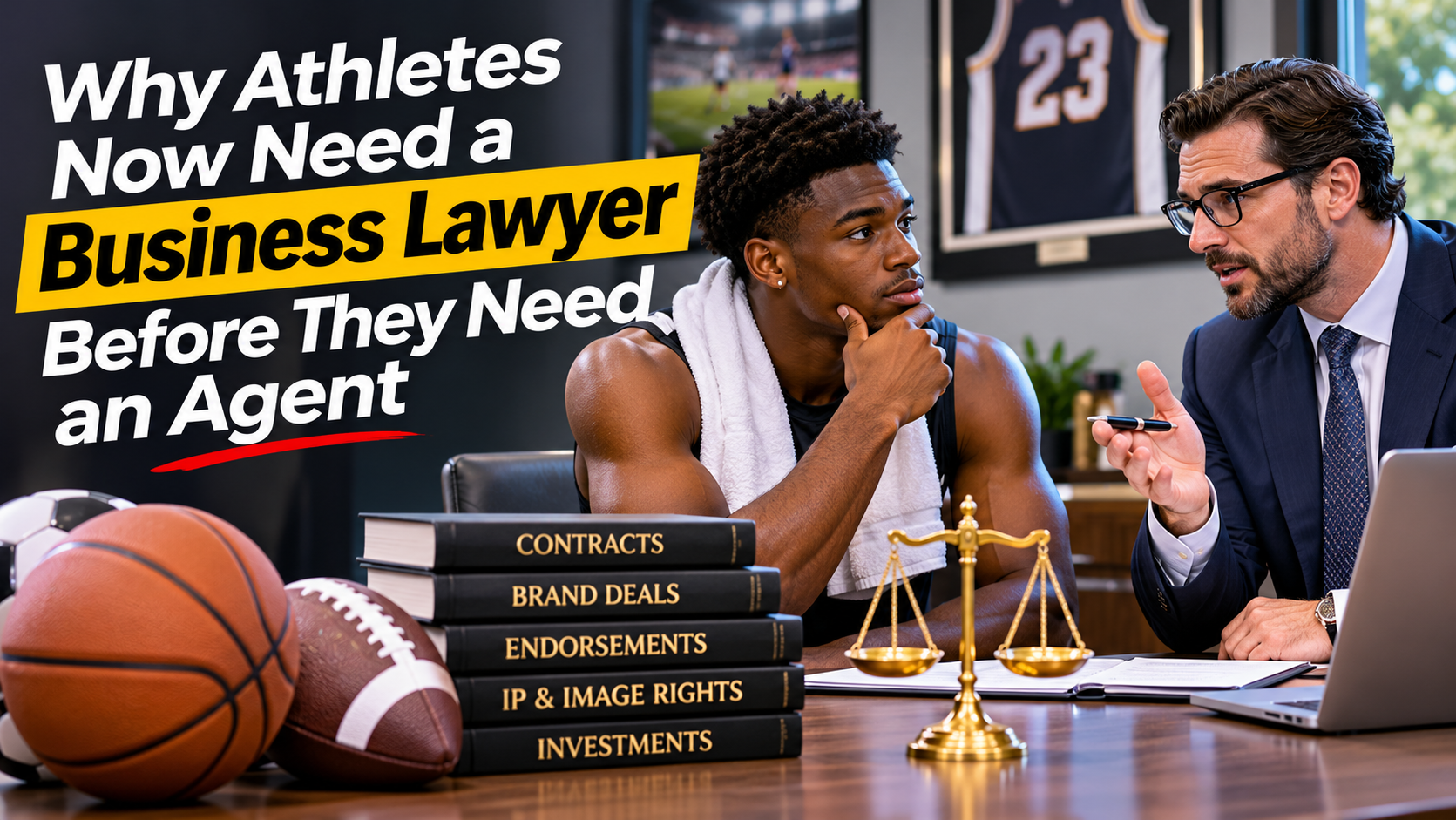



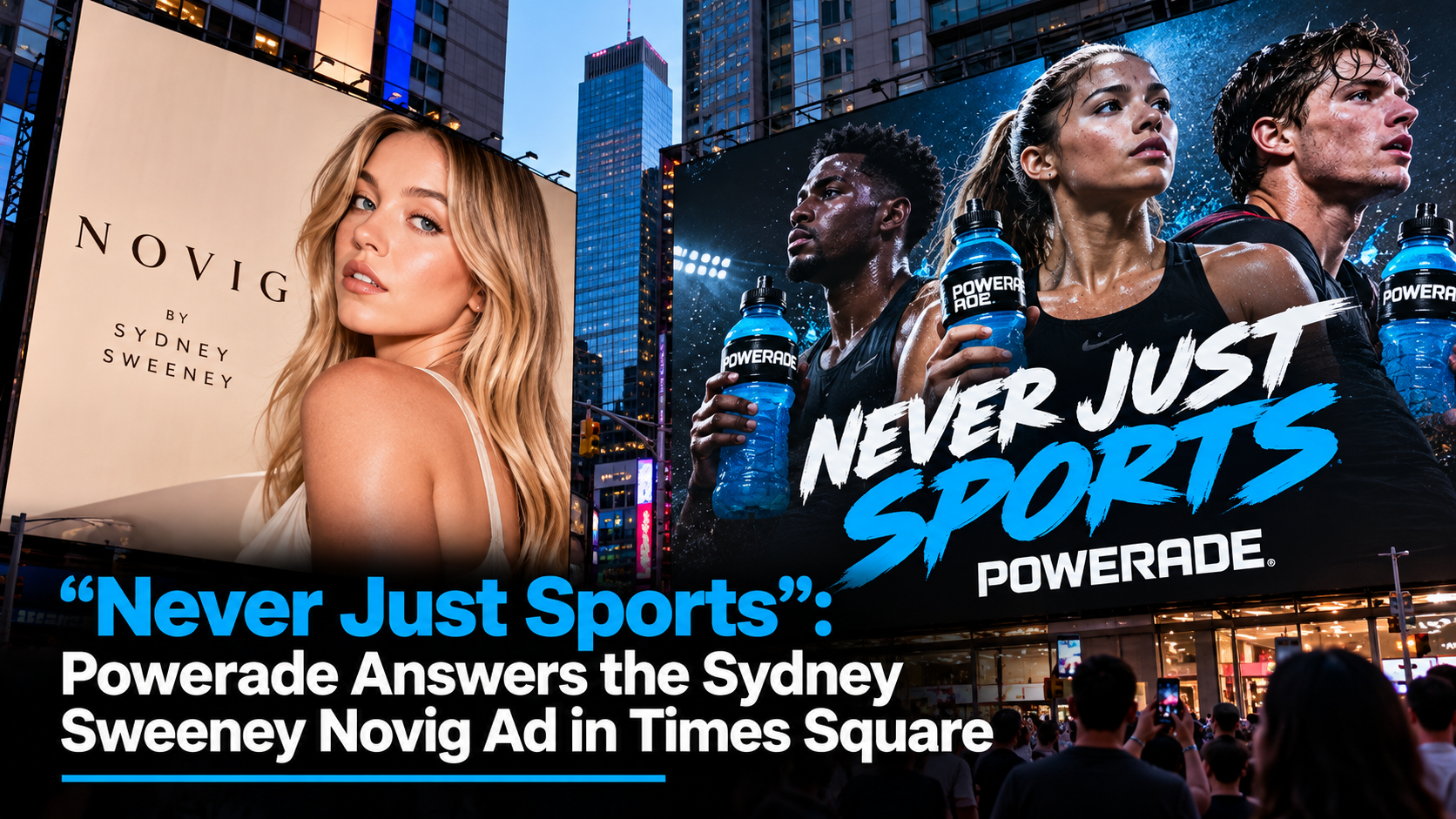



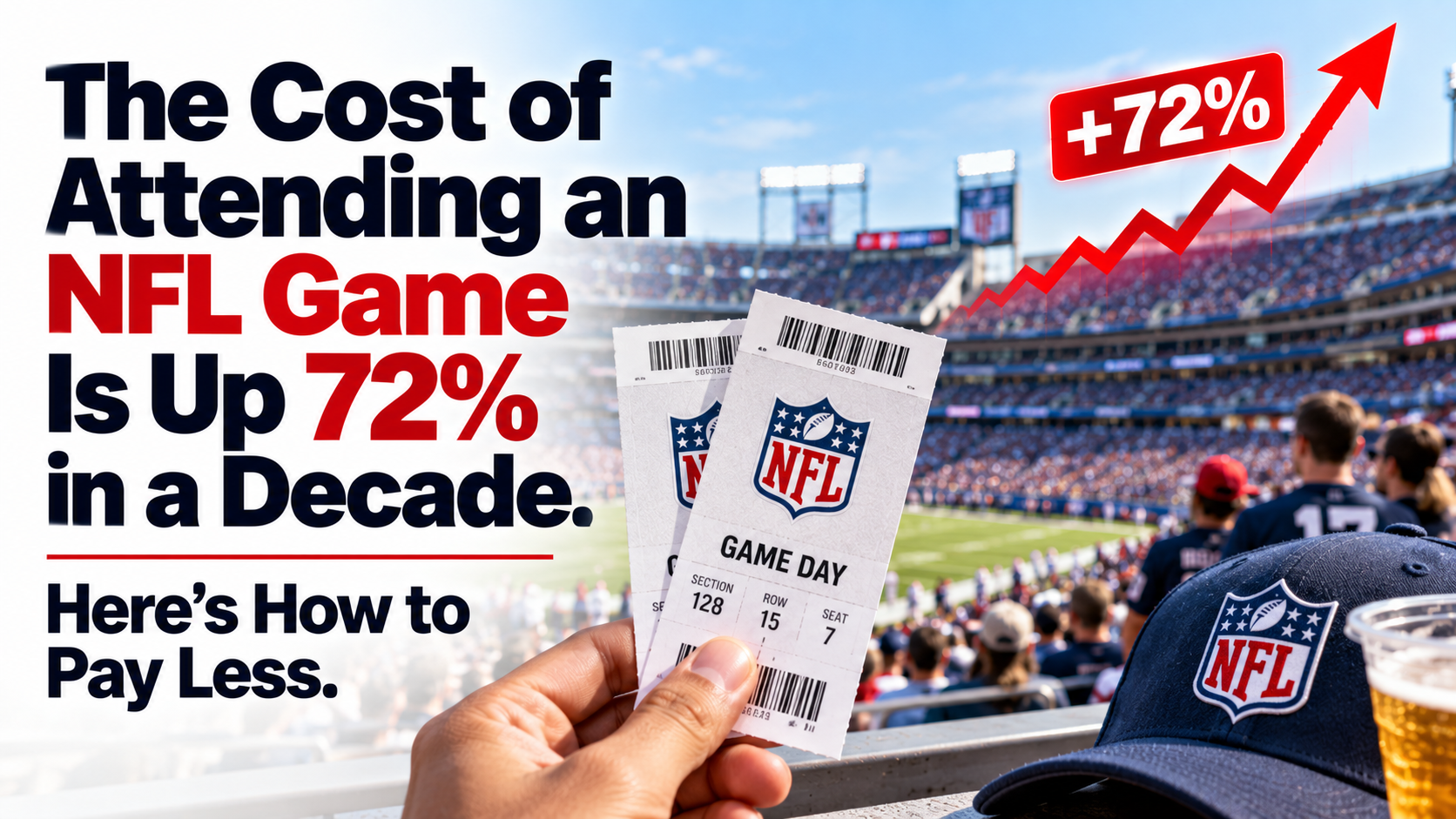


The first contract a modern athlete signs is often not a playing contract. Instead, it is a commercial one. A shoe deal, a collective agreement, a content partnership, or a stake in a drink brand. That shift is why a business lawyer now matters to a sporting career as much as a strength coach does. It is also why so many athletes hire one about a year too late.
An agent sells you. A business lawyer protects what you have built. Those are two different jobs. Treating them as one job is among the costliest mistakes in the sport’s new economy.
What a business lawyer actually does
Strip away the job titles and the work covers five things.
Entity work. Setting up the company that takes in the money, choosing its structure, and keeping your own assets apart from business risk.
Contracts. Drafting, reviewing and negotiating anything you sign. That includes endorsements, appearances, licensing, content deals, investment papers, leases and the agreements with your own staff.
Intellectual property. Registering a trademark on a name, nickname or logo. It also means checking that the footage, photos and design work you paid for really do belong to you.
Compliance. Keeping deals inside the rules that govern them. In college sport, that now means a reporting system with real teeth.
Disputes. Chasing unpaid money, enforcing terms, and getting out of deals that have gone wrong.
A financial adviser tells you what to do with income. An accountant reports it. A lawyer, however, decides the structure that income arrives through, and that decision comes first.
The rules changed, and the paperwork got heavier
Above all, college sport is where the shift has been sharpest.
Since July 2025, Division I schools that opt in have been able to pay athletes directly. The College Sports Commission puts the revenue-share cap for the 2026-27 year at an estimated 21.5 million dollars per school. That is up from 20.5 million the year before. Those payments come from the school, count against the cap, and go through the school’s own platform.
Third-party money runs on a separate track. Deals worth 600 dollars or more must go to the NIL Go clearinghouse, usually within five business days, where they face two tests. First, does the payment sit inside a fair range for that athlete? Second, does it serve a valid business purpose? The Commission defines that purpose as using an athlete’s name, image and likeness to promote goods or services sold to the public for profit.
Still, these are not formalities. In May 2026, an arbitrator upheld the rejection of one set of deals. The payer counted as an associated entity, the deals lacked a valid business purpose, and they warehoused NIL rights rather than using them. State NIL laws then add a further layer, and they differ from one state to the next.
In short, the practical result is simple. A one-page deal signed on a phone can now fail review, cost the payment, and raise a question about eligibility. Writing the deliverables, the term and the purpose properly is legal work, not admin.
Revenue share and NIL are two different pots
The difference is worth holding onto, because it decides who is liable for what.
- Revenue share comes from the school. It sits under the cap. The athlete’s deal with the school governs it.
- Third-party NIL comes from a brand or a collective. It sits outside the cap. However, it must still clear the NIL Go review.
Different payers, different risks, different papers. One adviser should read both.
A business lawyer is not an agent, and the difference is legal
Agents and attorneys are regulated in different ways. Athletes often assume otherwise.
Most states have adopted a version of the Uniform Athlete Agents Act. Under it, a person who negotiates endorsement deals for a student-athlete may have to register as an athlete agent in that state. Moreover, rules vary, and so do the penalties for ignoring them.
Attorneys also carry a separate set of duties. Those include conduct rules, conflict rules and client privilege. Say your agent, your collective and your brand partner all use the same adviser. Someone in that chain is conflicted, and only one of those ties comes with a duty of undivided loyalty.
Some agents are qualified attorneys too, which helps. Even then, ask which role they are filling on a given document.
Six moments to call a business lawyer
- Before the first deal, not after it. Early contracts set a pattern that later ones copy. Exclusivity, term and territory written loosely once tend to stay loose.
- When the income needs a home. Once money comes from more than one source, a company usually makes sense for liability and tax. Which structure fits depends on your own position, which is rather the point.
- When your name becomes a brand. Trademarks, logo ownership and the rights to content made about you can all be registered, or signed away. Many athletes sign them away by accident.
- When somebody offers equity instead of cash. Shares in a young company carry vesting rules, dilution and transfer limits. An endorsement fee is simple. Equity, by contrast, is not.
- When payment does not arrive. What you can recover depends on what the deal says about notice, arbitration, venue and legal costs.
- When the playing career ends and the business begin. Franchise deals, leases, partner agreements and buy-sell terms are where post-career wealth is made or lost.
The clauses that cause the most damage
- Perpetual or irrevocable licences. A brand should get the rights it needs for the term it pays for, and not a day more.
- Category exclusivity written too broadly. One word like beverages can quietly take coffee, water, energy drinks and alcohol off your table for the whole term.
- Automatic renewal. Renewing at the same fee after a breakout season is a real cost, and an avoidable one.
- One-way morals clauses. If the brand can walk away over conduct, so should you.
- Assignment. Without a limit, your deal can be sold on to a company you would never have signed with.
- Uncapped indemnity. Liability should be capped, and tied to the size of the fee.
- Work made for hire. Three words can hand over everything created under the deal.
What it costs, and how to choose
Business lawyers bill by the hour, by flat fee per contract, or on a monthly retainer. For routine deal review, a flat fee per contract is usually the easiest to plan for. Besides, a percentage of the deal belongs to the agent model, not the legal one. It also changes the incentive on whether you sign at all.
Five questions are worth asking before you hire anyone.
- Who else do you act for in this sport, this market or this deal?
- Are you registered as an athlete agent in the states where that applies here?
- Who will actually do the drafting?
- How fast is a short contract review, and what does it cost?
- Do you handle disputes yourself, or refer them out?
The problem that money alone does not solve
A working paper from the National Bureau of Economic Research looked at players drafted into the NFL between 1996 and 2003. It found that 15.7% had filed for bankruptcy within 12 years of retirement. The second finding matters more here. Career length and total earnings made very little difference to the outcome.
Earning more did not protect those players. Instead, structure does. Who owns what, who is liable for what, what happens when a partner walks, and what the papers say when a deal ends.
The bottom line
Hiring a business lawyer is not a sign that something has gone wrong. In fact, it is the cheapest point in the process. Reviewing a contract costs a fraction of fighting over one later.
For college athletes, review and reporting rules have made written terms matter in a way they did not five years ago. For pros and retirees, the ventures that outlast a career rest on company papers and trademark filings, not handshakes. In both cases, the right moment to find a business lawyer is before you need one.