










How Can Highrise Window Safety Toronto Help You Protect Your Building and Its Residents?
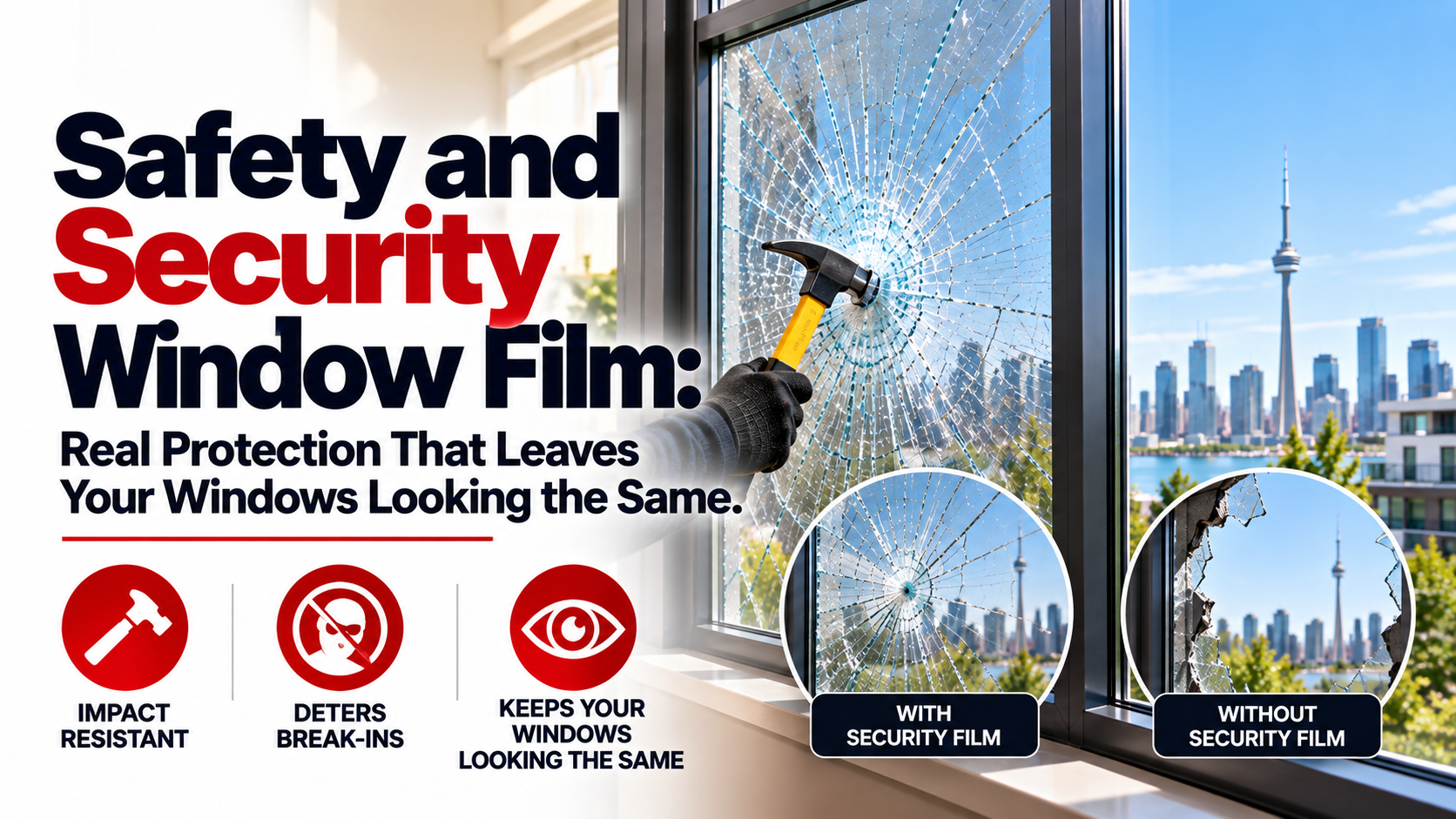
Your windows do far more than frame the skyline. Highrise Window Safety Toronto gives you a way to strengthen the glass you already have, without replacing a single pane or changing how your building looks. High above the street, a window is a working part of the building envelope, and it takes impacts, weather and daily wear that ground-level glass never sees. Why Does Tower Glass Deserve Closer Attention? Height changes the stakes. When a pane cracks at ground level, you sweep up and book a repair. When it happens twelve storeys up, you are dealing with an opening, loose fragments and a sidewalk or balcony below. Large panes also carry more glass. The bigger the panel, the more material there is to come apart on impact, and the longer the unit sits exposed while you wait for replacement glass. You can deal with that before it happens by adding a protective layer to the glass that matters most. What Does Security Film Actually Do on Impact? Security film is a tough, transparent layer applied directly onto your existing glass. It bonds to the pane so the two behave as one surface instead of separately. When something strikes a treated window, the film holds the broken pieces together instead of letting them scatter. The glass can still fail, but it tends to stay in the frame, attached to the film. That resistance also buys you time. Plain glass gives way in seconds, while filmed glass takes far more effort to get through, which slows down anyone trying to force entry at a patio door or balcony slider. How Does That Protect Your Residents? A building is the people inside it. Broken glass in a suite, a corridor or a lobby turns an ordinary afternoon into an injury risk, especially where children and pets are around. Film keeps most of that material in place. You get less loose glass to clear, a smaller opening to secure and more time to reach the unit and handle the repair properly. If you manage a tower in North York or along the downtown waterfront, that also means fewer emergency callouts and a calmer response when something does go wrong. Which Glass Around Your Building Needs Attention First? Not every window carries the same level of risk. A walk of the property usually tells you where to start. ● Large Glass Panels Floor-to-ceiling panels hold the most glass and sit in the rooms people use every day. They are the panels you want holding together after a hit. ● Balcony and Sliding Doors Sliding doors pair wide glass with a door people open constantly. They also sit at the most reachable point of many suites, which is why they earn early attention in buildings across Scarborough and Etobicoke. ● Lobbies, Corridors and Amenity Rooms Shared glass sees the heaviest foot traffic in the building. Treating it protects residents you will never meet as well as the ones who report the problem. ● Ground-Floor and Podium Glass The lowest levels are the easiest to reach from the street, and glass doors and windows remain the most common entry points on any property. Retail bays, mailrooms and ground-level units are worth handling first. Can You Protect the Glass Without Changing How Your Building Looks? You do not have to trade appearance for protection. Clear film sits almost invisibly on the pane. Your daylight, your views and the clean lines of the facade stay as they are. No bars, no visible hardware, nothing that tells a resident their window has changed. That matters when large glass is the entire appeal of the building. You keep the look that sells the units and gain a protective layer behind it. Why Does the Installation Matter as Much as the Film? Film performs only when it is applied properly. The bond to the glass, the fit at the edges and a clean, bubble-free finish all decide how a panel behaves under impact. A professional installation also starts with an assessment. Someone walks your property, looks at the size, location and accessibility of each panel, and tells you where film adds real value instead of treating every window the same way. How Does Window Film Fit With the Rest of Your Security? Film is one layer, not the whole plan. Depending on your property, you might pair it with door reinforcement at suite and service entries, basement window bars, accordion gates for patio doors, or security roller shutters on lower units. A home shield audit gives you the full picture before you spend anything. The aim is to cover the weak points your property actually has, rather than leaning on one upgrade and hoping it carries the rest. Fort Knox Solutions installs premium security and safety window film across Toronto and the GTA, from Etobicoke and Scarborough through to Richmond Hill, Markham and Mississauga, with the kind of clean application that keeps large glass looking untouched. Book a free consultation and one visit tells you which panels in your building deserve film and which do not. Do that, and a broken window in your tower stays a repair job instead of becoming an emergency for everyone below it. Frequently Asked Questions 1. Does security film make high-rise glass unbreakable? No. It holds broken glass together after an impact and makes the pane much harder to get through, but the glass itself can still break. 2. Will the film change your view or your natural light? Clear security film stays visually subtle, so you keep the view and the daylight you paid for. 3. Can you apply film to balcony and sliding doors? Yes. Sliding and patio doors are among the most common applications, though the right product depends on your specific glass. 4. Does film replace a window repair? No. Damaged glass still needs proper repair or replacement. Film is an added layer of protection, not a substitute for fixing the pane. 5. How do you know which windows to treat first? An on-site assessment looks at the size, location and accessibility…