








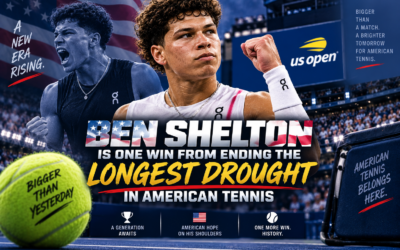
Ben Shelton Is One Win From Ending the Longest Drought in American Tennis
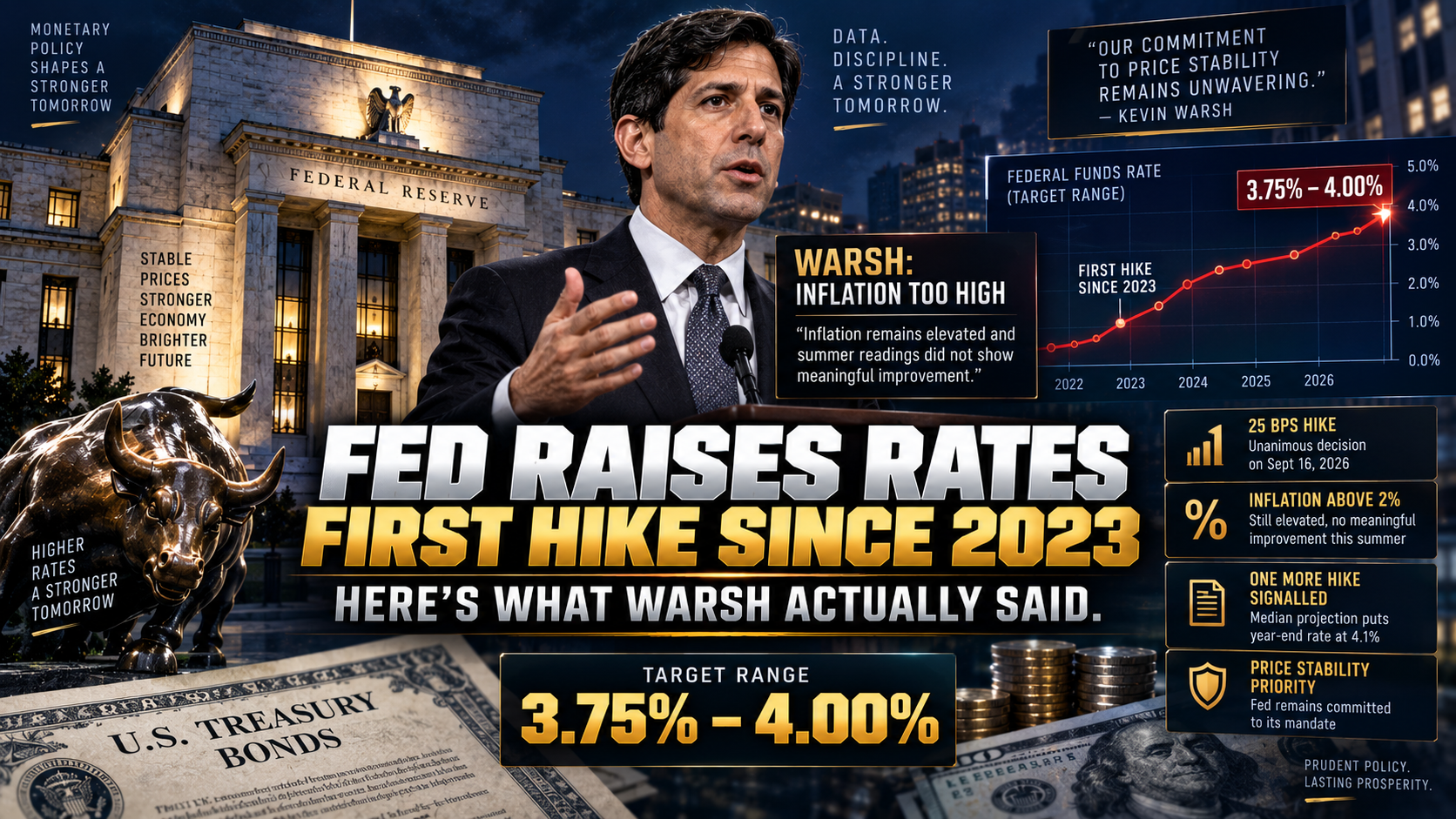
Andy Roddick won the US Open in 2003. Since then, every American man who has walked onto a Grand Slam court has walked off without a trophy. Twenty-three years, 92 majors, nothing. On Sunday afternoon in Flushing Meadows, Ben Shelton gets a chance to end it. The Ben Shelton US Open final appearance is his first at a major, and he earned it in the least likely way available: by beating the tournament favorite and then beating his own countryman. The quarterfinal that changed the tournament Carlos Alcaraz was the defending champion and the No. 2 seed. He had dropped almost nothing through four rounds, including a straight-sets dismissal of Tommy Paul that was supposed to be his first real test. Shelton beat him 6-7, 6-1, 6-3, 1-6, 7-6. Read that scoreline again. Shelton lost the first set in a tiebreak. He lost the fourth set 6-1, which is the kind of collapse that usually ends a match against a player of Alcaraz’s quality. Then he won a fifth-set tiebreak against the best player in the draw. A Ben Shelton US Open final run built on that win is not a fluke. That is a 23-year-old with an enormous serve deciding he was not going to lose, and then not losing. Then he had to beat Frances Tiafoe The semifinal was the first all-American men’s Grand Slam semifinal in years, and it was strange to watch. Tiafoe had come through a five-set epic against Alex Michelsen in the quarterfinals, dropping the first two sets before winning the last three. It was his third US Open semifinal and he had never won one. He still has not. Shelton took it 4-6, 6-3, 6-3, 7-5. Tiafoe won the opening set and then spent the next three watching Shelton hold serve. That has been the pattern all fortnight. Shelton’s service games are close to unbreakable when he is finding first serves, and the rest of his game has caught up enough that the rallies are no longer a liability. Alexander Zverev is the last obstacle The No. 1 seed reached the final by beating Karen Khachanov 6-3, 7-6, 7-6 and has not lost a set in the back half of the tournament. Zverev arrived in New York as the top seed largely by default. Jannik Sinner missed the tournament with a knee injury. Novak Djokovic lost in the first round to Mariano Navone, his earliest Grand Slam exit in two decades. That opened the draw at the top, and Zverev has taken the opportunity without drama. He is also no longer the perennial nearly man. Zverev won his first major at the French Open earlier this year, which removed the one line that had followed him for a decade. He arrives Sunday as a Grand Slam champion rather than a player still trying to become one. Shelton vs Zverev is interesting because both men serve big and neither is comfortable being rushed. Shelton’s ceiling in a serving contest is higher. Zverev’s floor across five sets is considerably steadier. The pattern in matchups like this is that whoever dictates the first four shots of a rally wins the set. Neither player has much appetite for long defensive exchanges. That makes the match likely to be either over in three sets or stretched past four hours, with very little available in between. Why the American men’s Grand Slam drought lasted this long The honest answer is that the era Roddick played in was brutal, and the era after it was worse. Roger Federer, Rafael Nadal and Djokovic collected 66 majors between them. An American player entering his prime any time between 2005 and 2022 was competing for whatever was left, which was almost nothing. Roddick himself reached four more Grand Slam finals and lost all four, three of them to Federer. The generation after that had a different problem. Depth without a peak. Taylor Fritz, Tiafoe, Paul and Shelton have all been consistently good enough to reach the second week and not quite good enough to win seven matches in a row. This tournament has been the clearest illustration of that: five American men reached the fourth round, and the US Open 2026 men’s final has exactly one of them in it. What changed for Shelton is that he stopped needing the draw to open up. He beat Denis Shapovalov, then Stefanos Tsitsipas, then Alcaraz, then Tiafoe. That is a legitimate path. What Sunday actually hinges on Three things worth watching if you are tuning in cold. First-serve percentage. Shelton’s entire structure depends on it. Above 60% and he holds comfortably, which means he only needs one break in a set. Below 55% and Zverev gets to play the long rallies he prefers. The return games in sets one and two. Shelton has been a slow starter throughout the tournament, dropping the first set against both Alcaraz and Tiafoe. Against Zverev, giving away an early set means chasing a player who almost never gives one back. The fifth set, if it comes. Shelton has now won two five-setters in this tournament, including one against the defending champion. Whatever the physical cost, the belief is clearly there. The part nobody is saying out loud A home final at the US Open, with an American in it for the first time since 2006, is worth more to the sport in this country than any single result should be. Tennis in the United States has spent two decades selling potential. Shelton has one afternoon to sell something else. The American men’s Grand Slam drought ends with a trophy on Sunday or it does not. Either way, the more useful question is what happens next year. Twenty-three years of waiting ends with a trophy or it does not, but a 23-year-old who beat Alcaraz in five sets is not a one-tournament story. Source links for editors