









Gold Is 20% Off Its Peak. Here’s Why Record Yields Haven’t Broken It.
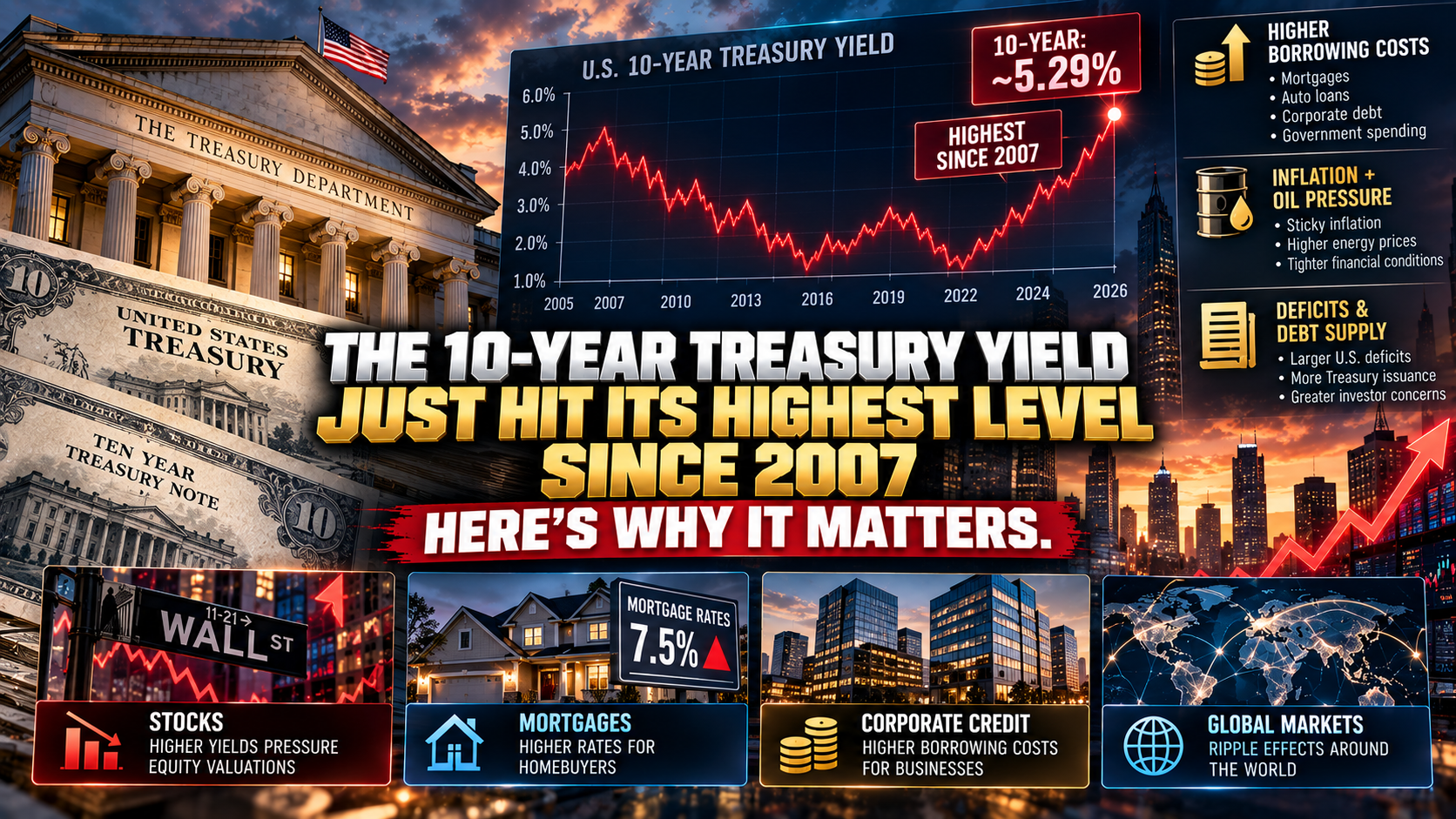
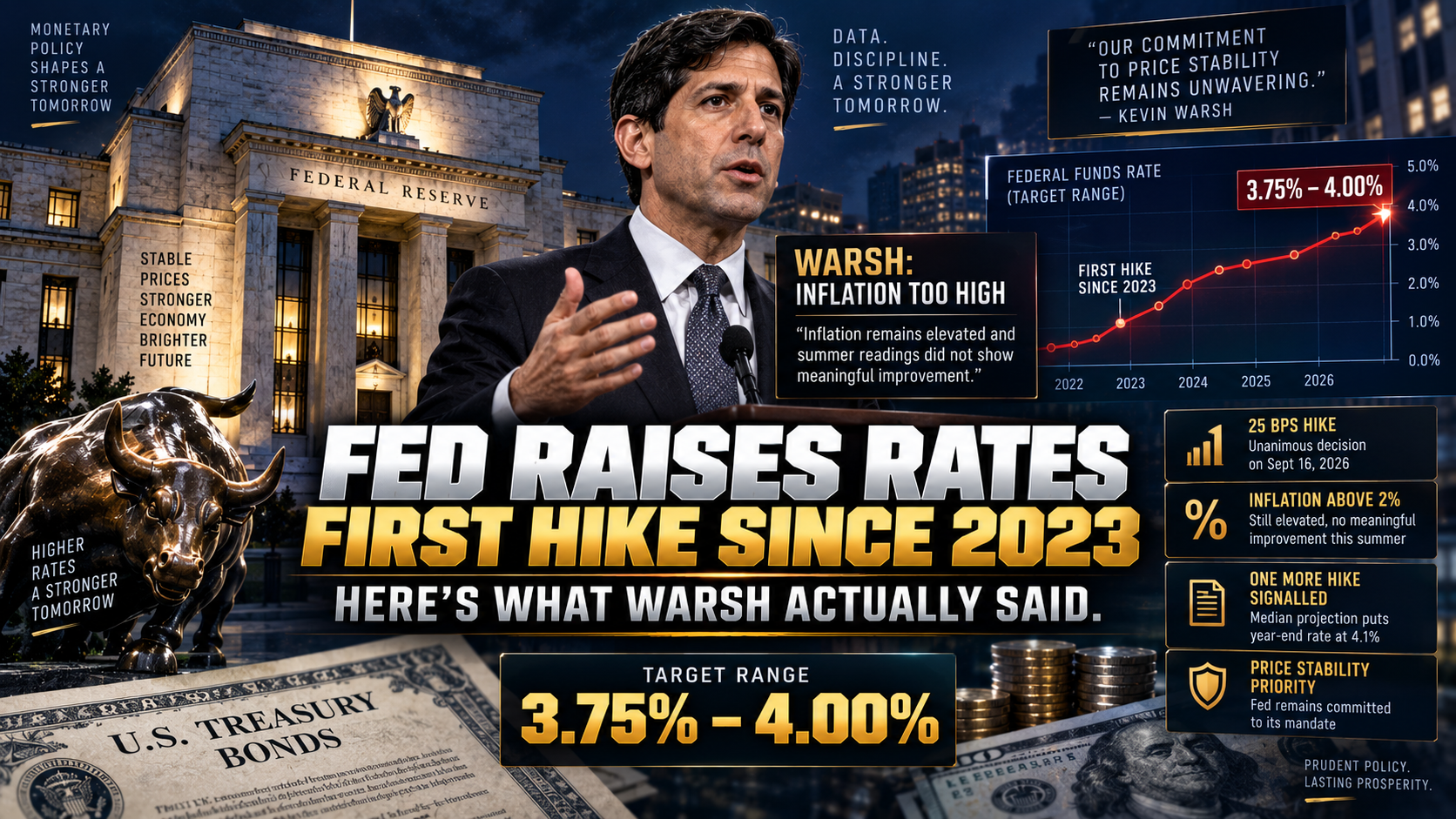
In January, gold briefly traded above $5,500 an ounce. It capped one of the most powerful rallies any major asset has produced this decade, after a 2025 in which the metal gained nearly 65%. The gold price today tells a very different story. This week, gold finished around $4,280. That is more than 20% below the peak, and the metal has now fallen for a second straight month. Gold now sits at a genuinely interesting crossroads. On one side, record bond yields and a hawkish Federal Reserve are pulling it down. On the other, central banks keep buying, geopolitical risk remains elevated and several of Wall Street’s largest banks still expect prices to climb before the year is out. Understanding why gold is caught between those forces is the key to reading where it goes next. Where the gold price today stands Gold rose to $4,293.06 an ounce on 25 September, up 0.43% on the day. However, it remained down more than 1% for the week, 6.55% lower over the past month and still almost 14% higher than a year ago. That combination tells the story. In the short term, gold is under pressure. Over a longer horizon, it remains one of the best-performing assets of the past two years. Late on Friday in New York, spot gold was bid at about $4,284 an ounce, with the day’s range spanning roughly $4,254 to $4,317. The move was limited because two opposing forces were at work at once: falling oil prices and ongoing geopolitical uncertainty offered support, while elevated Treasury yields and firm expectations of further Fed tightening capped gains. Why rising yields hurt gold To understand gold’s recent weakness, you need to understand one concept: opportunity cost. Gold pays no interest and no dividend. Its return comes entirely from price appreciation. When interest rates are low, that does not matter much, because cash and bonds pay very little anyway. When rates rise sharply, investors can earn a meaningful, virtually risk-free return by holding Treasuries instead. This month, that opportunity cost has soared. The 10-year Treasury yield climbed to 5.21% on Thursday, its highest level since 2007. Short-dated Treasury bills and money market funds are paying rates not seen in almost two decades. For some investors, that makes a non-yielding metal harder to justify. Meanwhile, the Federal Reserve raised interest rates on 16 September for the first time since 2023. Traders are now pricing in a nearly 70% chance of another hike in October and around a 95% probability of an increase by December. Every signal of further tightening strengthens the case for cash over gold. There is also a currency effect. Gold is priced in dollars, and a stronger dollar makes it more expensive for buyers holding other currencies. Rising US yields have tended to support the dollar, which adds another headwind. Why gold hasn’t collapsed If rising yields were the only story, gold would have fallen much further. It has not, and the reason is structural demand that has little to do with interest rates. Central banks keep buying The most important buyers in the gold market over the past four years have not been retail investors or hedge funds. They have been central banks. Central banks purchased 863 tonnes of gold in 2025, according to the World Gold Council. That was slightly below the record pace of more than 1,000 tonnes a year between 2022 and 2024, but still roughly double the pre-2022 annual average. The shift began after Russia’s foreign reserves were frozen in 2022. That event changed how many emerging-market central banks think about geopolitical risk. Holding reserves in dollars or euros exposes them to sanctions. Holding physical gold in their own vaults does not. Goldman Sachs expects central bank buying to average around 70 tonnes a month, roughly four times the pre-2022 monthly average. That buying tends to be price-insensitive. Central banks accumulate steadily through rallies and corrections alike, which creates a floor under the market that did not exist a decade ago. Geopolitical risk remains high The conflict involving Iran, disruption through the Strait of Hormuz, the war in Ukraine and a US-China relationship that has just been placed on a two-month extension all feed demand for safe-haven assets. Gold has historically benefited when investors worry about systemic shocks, and there is no shortage of potential shocks right now. Inflation is still elevated Gold is often described as an inflation hedge. Headline US inflation has been running near 3.4%, well above the Fed’s 2% target, and the Fed’s own projections see personal consumption expenditure inflation at 3.7% this year. Even if rising yields reduce gold’s appeal in the short term, persistent inflation supports its long-term case. What the big banks are forecasting Despite the recent pullback, several major institutions remain constructive on gold. Goldman Sachs Research forecasts gold at $4,900 an ounce by the end of 2026, citing strong central bank demand as reserve managers continue to diversify. The bank has also warned that the growing use of gold derivatives to hedge against large policy changes may be making prices more volatile in both directions. J.P. Morgan Global Research has been more bullish still, with a forecast earlier this year for prices to average around $6,000 an ounce by the final quarter of 2026. At the same time, its head of base and precious metals acknowledged that investor interest had cooled and described gold as stuck in “a bit of a technical no-man’s land.” Those forecasts were made before this month’s bond market sell-off, and both look ambitious from today’s level. Reaching $4,900 would require a rise of roughly 14% in about three months. That is possible, but it would probably need a clear turn in Fed policy or a significant geopolitical shock. How to think about gold in a portfolio For individual investors, the key question is not where gold goes next week. It is what role, if any, the metal should play in a diversified portfolio. Gold as insurance. Many financial…